
Rituals Are Everything?
When you think of the word rituals, what image comes across your mind? Something dealing with religion? The occult? Maybe culture? Or perhaps some kind of tradition? If we look at the definition of rituals per Oxford Learners Dictionary, we see that they deal with the repetition of actions, “a series of actions that are always performed in the same way, especially as part of a religious ceremony.” 1 Although religion uses rituals, rituals do not only exist within religion. A ritual can be the way you wake up in the morning and the consecutive activities you perform after. It can be a single word being mentioned at a specific time or the repetition of a word to create rhythm and create a specific state of being. This is important because even a song can hold ritual qualities. Why is this important though? What I mean to say is, why are humans so prone to creating these activities? To what extent does this say about our mind? In many ways it could be a form of preparation or procedure that allows the processing of information, and as Francesca Gino and Michael I. Norton state in their Scientific American article, Why Rituals Work:
“People engage in rituals with the intention of achieving a wide set of desired outcomes, from reducing their anxiety to boosting their confidence, alleviating their grief to performing well in a competition – or even making it rain.” 2
In many ways, the rituals that we carry in our lives also have our intent. This being the intention that we approach the ritual with; is it healing? Is it empowering? Is it mourning? Besides intent, there’s the personal belief in the ritual. However, what happens when we don’t believe in rituals? Francesca and Michael explain the rationality of rituals by stating, “Rituals appear to benefit even people who claim not to believe that rituals work. While anthropologists have documented rituals across cultures, this earlier research has been primarily observational. Recently, a series of investigations by psychologists have revealed intriguing new results.” 2
Most of the research they explain in their article describe situations in which people are given an object, in the case of this experiment – a golf ball, and told that one is luckier than the other. The findings demonstrated that people’s performance increased as a result of the belief. As a result, while belief and intent are important, it is often the process of the ritual that provides the meaning, as it is here where our emotions can perhaps find a code for communication. As Francesca and Michael write,
“ These findings are consistent with research in sport psychology demonstrating the performance benefits of pre-performance routines, from improving attention and execution to increasing emotional stability and confidence.” 2
Of course, not all rituals exist to help us process. Some rituals are constructed out of our basic need to survive, for example, the ritual of work. It is often the case within our capitalist society that work begins to take on a ritual elaboration. The structure of work hours, late work hours, the structure of dependence on the ritual to obtain financial security. If this ritual is broken then our ability to survive is cut short. If our work is our “passion” then it dangerously becomes a part of our identity. When that work becomes exhausting, or a mistake is made (we are humans after all) then that attachment hurts our identity and harm is produced. In this case, the toxic ritual of work is what must be managed. Sure, the problem is capitalist society at large with history and those in power as promoters. Nonetheless, for the moment, what can be done? What other perspectives can we bring in?
Data as provided by research is incredibly important to obtain some form of logistics but perhaps there’s something else that we can access. What if we took on the other part of rituals, that which is felt, which is not dependent on physical evidence but intuition, our emotions and the intelligence that comes with it. In her book Shamanic Wisdom for Invoking the Sacred in Everyday Life, Sandra Ingerman presents the case that ceremony and rituals are two distinct practices. Once again, ritual is presented as a repeated action while a ceremony is woven for a specific outcome. Sandra states,
“Ritual is work that will be repeated daily, once a week, or once a month. A ceremony is performed to ask for a specific outcome, and although it might need to be repeated, it tends to be performed at a specific time for a specific intention. Many people perform the ritual on a daily basis, whereas a ceremony changes over time.” 3
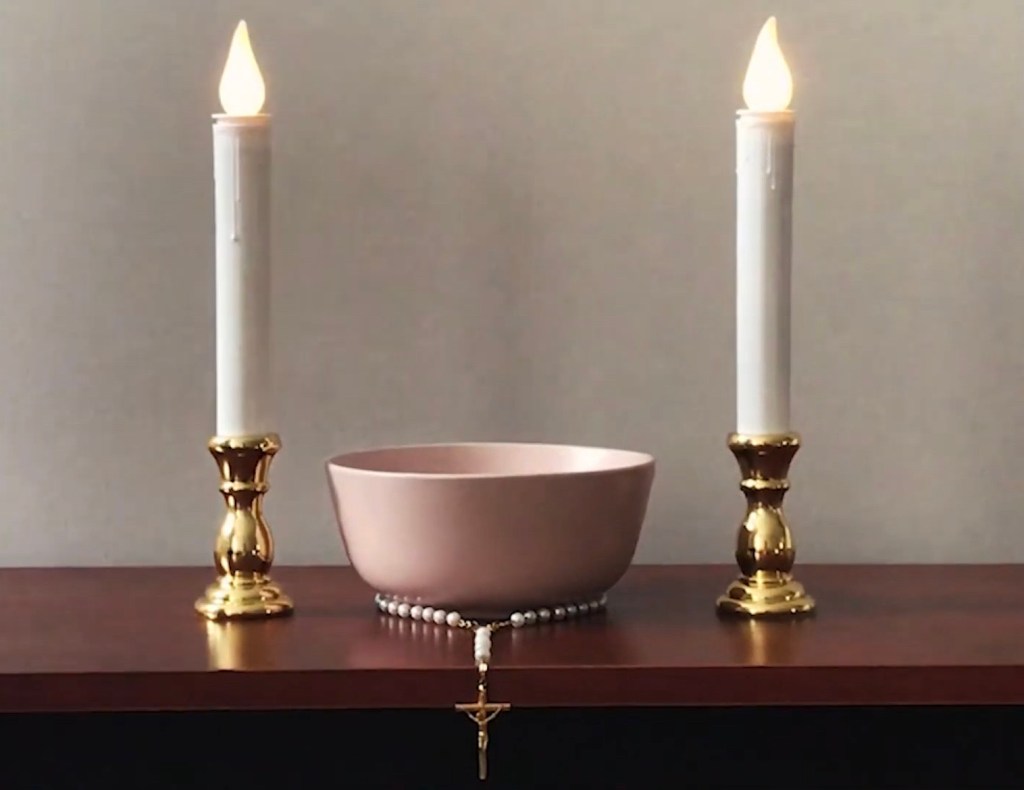
Rituals are presented as fixed, while a ceremony adapts to the needs of the times. However, in an epoch where so many suffer from a world that rewards narcissism, money, perfection, superficiality, supremacy, and individuality without community, it can be difficult to find the right place to start. Sandra argues that “bringing ceremony into our life helps us create a new reality, one filled with richness and purpose as we weave in vibrant energetic threads from the invisible realms”3 So once again, it is asking us to connect with what our society deems as unimportant; feelings, emotions, intent, intuition, and individual healing to create community healing. It’s important to remember that a healthy individual builds a healthy community.
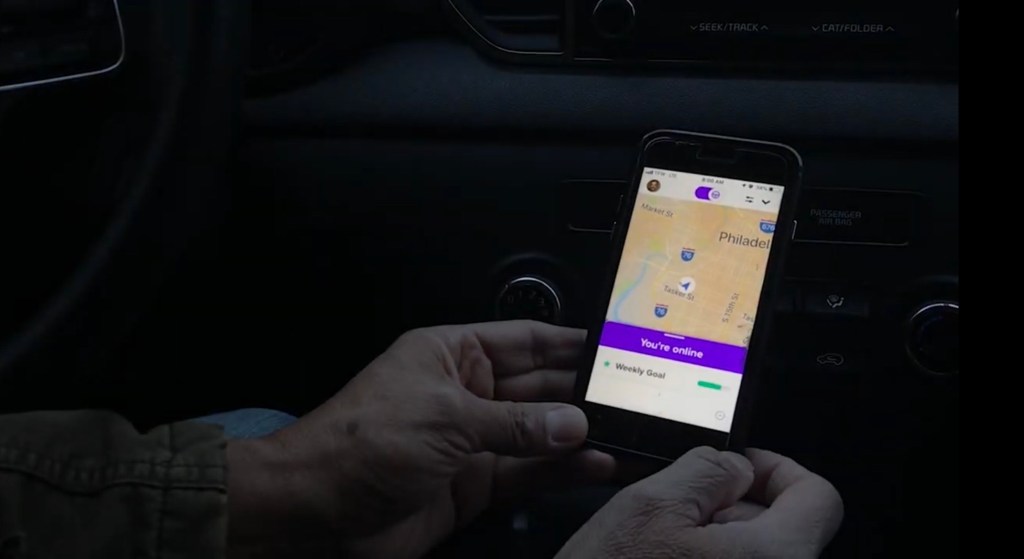
Of course, ceremony within the context of religion can bring trauma to individuals who have suffered at the hands of cults, or other harmful aspects of orthodoxy within religion. While these ceremonies can be syncretic or purist, they are often not designed by the individual. This is important because it means that an individual can construct a ceremony in relation to their time. Yet, if our society is one in which free time is a privilege because time translates to money then what happens? What happens to the undocumented worker who works 14 hour shifts at a famous restaurant to support their family in their native country? Or the cleaning person who works late night and barely has any time to “heal”? To the construction worker who can barely breathe due to the dust they have inhaled all day from renovating the interiors of a building that will eventually gentrify their neighborhood? To the parents that need to have many jobs in order to support their children on minimum wage? To the rideshare driver who has no time to themselves but has to continuously drive for hours in order to support their family?
This is what Huitaca Films’ Rituales tries to explore. The syncretism of the ritual of work with spirituality and a bit of religion, rituals that if not updated can leave individuals exhausted, the ceremony that goes wrong, the actual healing from our mistakes. Do we look back? Do we look at the future? How can we adapt in a context where free time literally does not exist? As Sandra Ingerman declares, “a ceremony is about creating a beginning, a middle, and an end”. In this case a ceremony or a ritual, cannot exist without focused time. How can this toxic cycle be broken?
Rituales is now playing on HuitacaFilms.com, check it out under the theater tab
References:
1. Oxford Learners Dictionaries, s.v. “Ritual (n.),” accessed November, 27, 2022 __https://www.oxfordlearnersdictionaries.com/us/definition/english/ritual_1?q=rituals
2. Gino, Francesca, and Michael I. Norton. “Why Rituals Work.” Scientific American, April 14, __2013.
3. Ingerman, Sandra. The Book of Ceremony: Shamanic Wisdom for Invoking the Sacred in __ Everyday Life. United States: Sounds True, 2018.
Important Links:
- https://www.pushkin.fm/podcasts/the-happiness-lab-with-dr-laurie-santos/the-power-of-a-made-up-ritual
- https://francescagino.com/about
- https://www.hbs.edu/faculty/Pages/profile.aspx?facId=326229
- https://www.sandraingerman.com/about-sandra-ingerman/
RITUALES
Premieres November 1st on HuitacaFilms.com
A ride share driver in Philadelphia discovers the power of his rituals
What are your rituals?
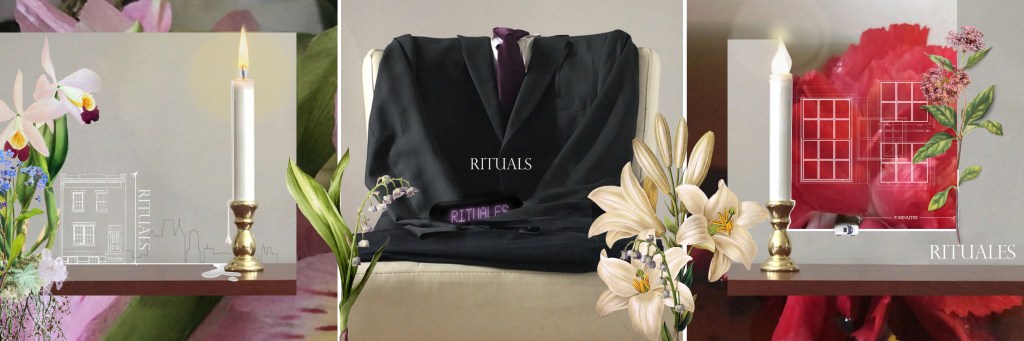
Rituales de amor, rituales de dolor, rituales que empoderan al conductor como un motor…
Rituals of love, rituals of groan, rituals that empower into the unknown…
Feeling A Little Dry?
5/1/2022
The second trailer for Huitaca Films first short. Premiering on 5/6/22
Stay Tuned! Follow for more on IG: @huitaca_films
Music performed by: Astrud Gilberto
Dating During a Pandemic?
4/20/2022
Catch Huitaca Films first trailer for its upcoming short. Premiering on 5/6/22
Stay Tuned!
WOODLAND AVENUE
4/13/2021
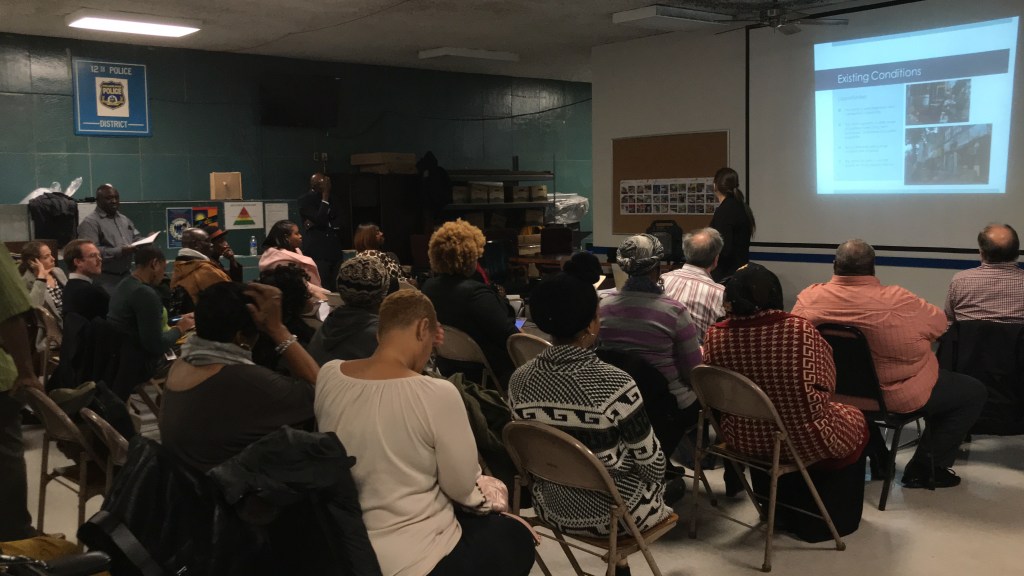
Woodland Avenue has just been released in the theatre tab! It was a pleasure collaborating with the the Community Design Collaborative and ACANA. The input and time with the members that came to the community meetings is highly appreciated. I don’t think without their desire to speak out and advocate for a design that benefits all would have existed.
DRAWING BOGOTÁ
10/9/2020
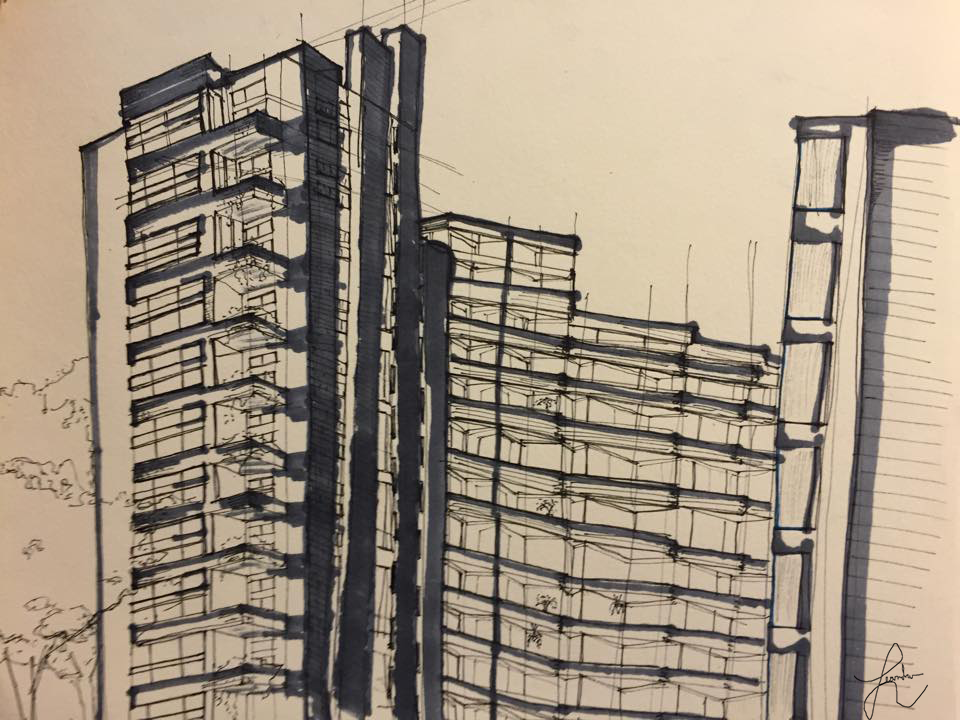
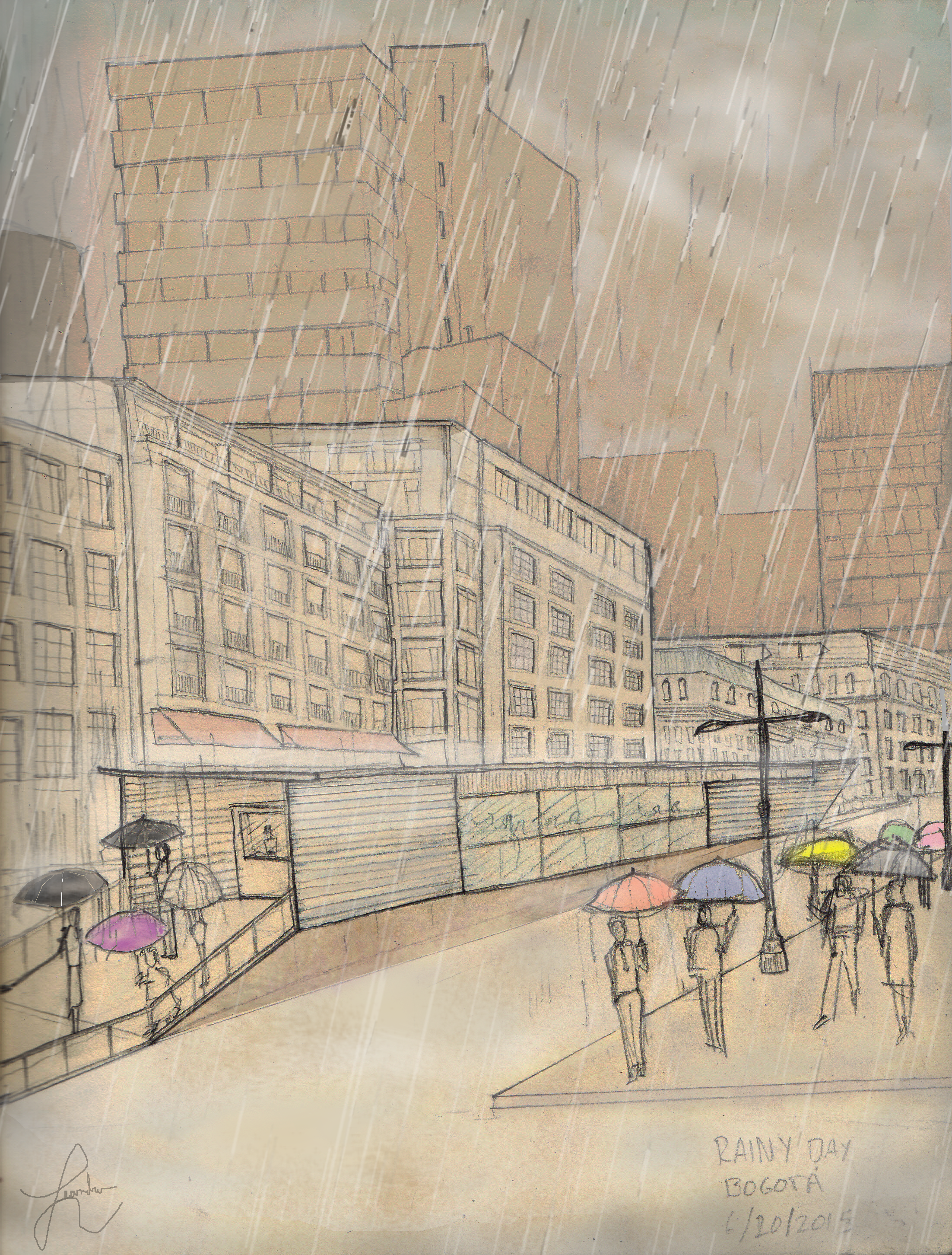
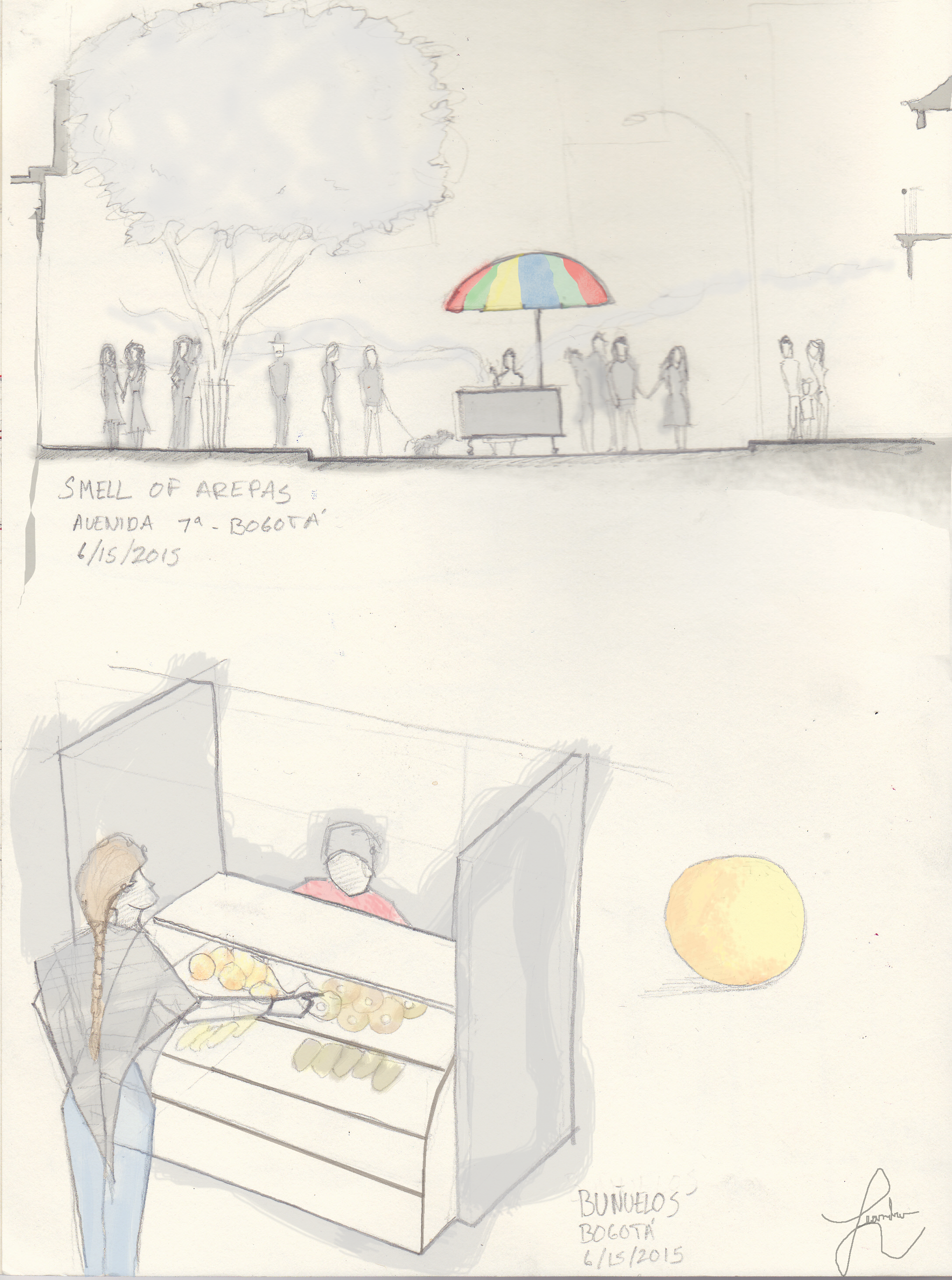
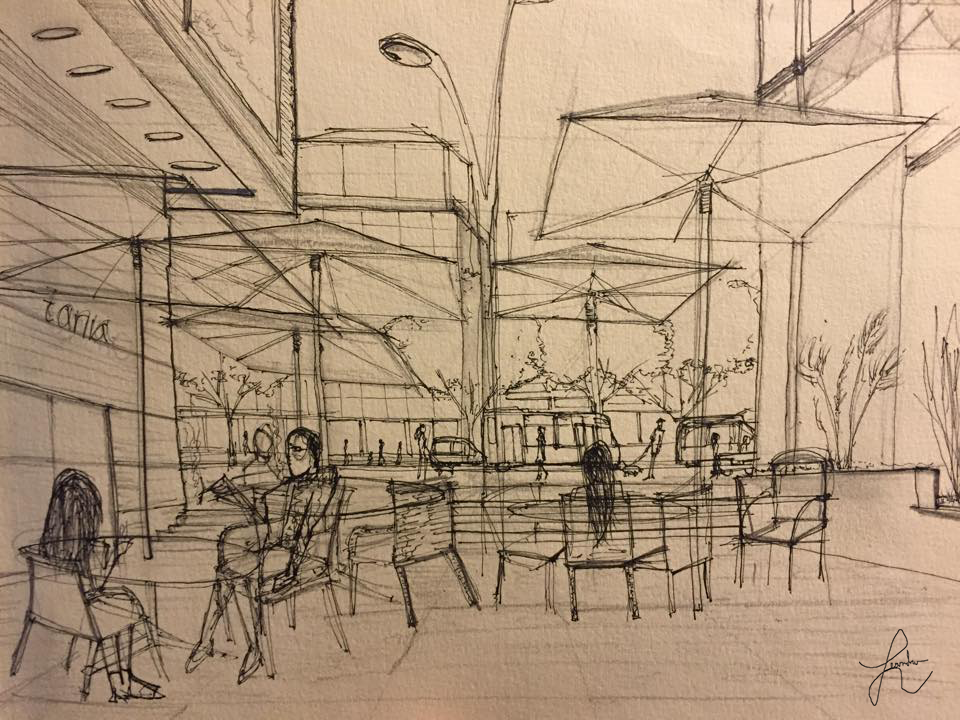
We are releasing an old project (2015) as it was one that allowed for our experimentation with animation, linework, and layers in conjunction with footage. The video itself is part of a documentation project that retells one of our video editor’s experience while living in Bogotá. It was made to be used as promotional material for a startup internship film program in Colombia. It is meant to demonstrate the distinct cultures found in the city and which reflect the cultural diversity of the country as whole. In recent years, the city has received migration from other regions of the country so it is in a way the melting pot of Colombia. The creator of the clip ( Leandro Cortes), wanted to capture his adventures while location scouting in the city. It was his desire to capture the narratives of space that he observed around him. If you’re interested check out the video in the theater section of the page! – Check here–

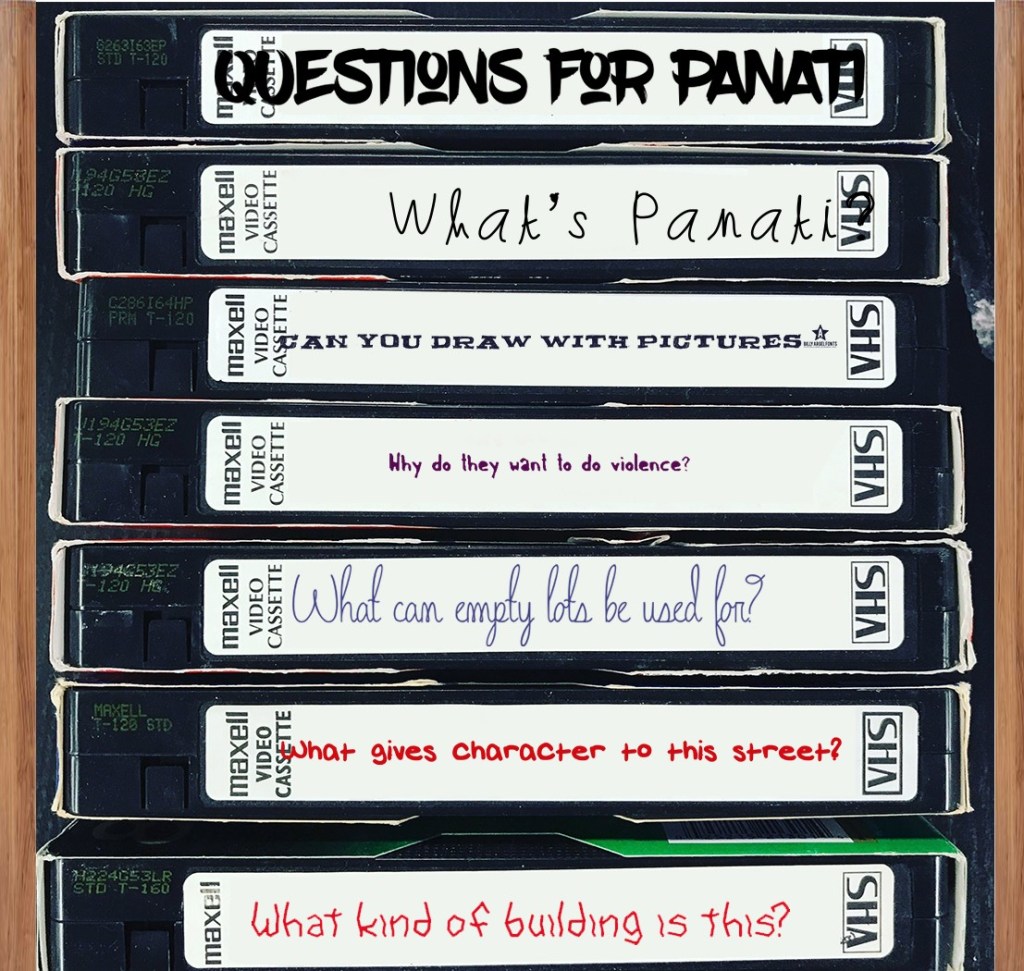
QUESTIONS FOR PANATI
8/26/2020
Really happy to be able to share with you, “Questions for Panati” a small videography project for the Community Design Collaborative of Philadelphia & The Allegheny West Foundation. Everything was filmed during the summer of 2019 for a period of 8 weeks. The classes were meant to be both an opportunity to introduce the students to design concepts and the general importance of urban space. The designers ended up learning about the how the kids see the recreation spaces and how to enhance them. Moreover, they gave input in how a recreation center could benefit the Allegheny West neighborhood.
Learn more about the: Community Design Collaborative
Watch it HERE
HUITACA FILMS
Welcome!
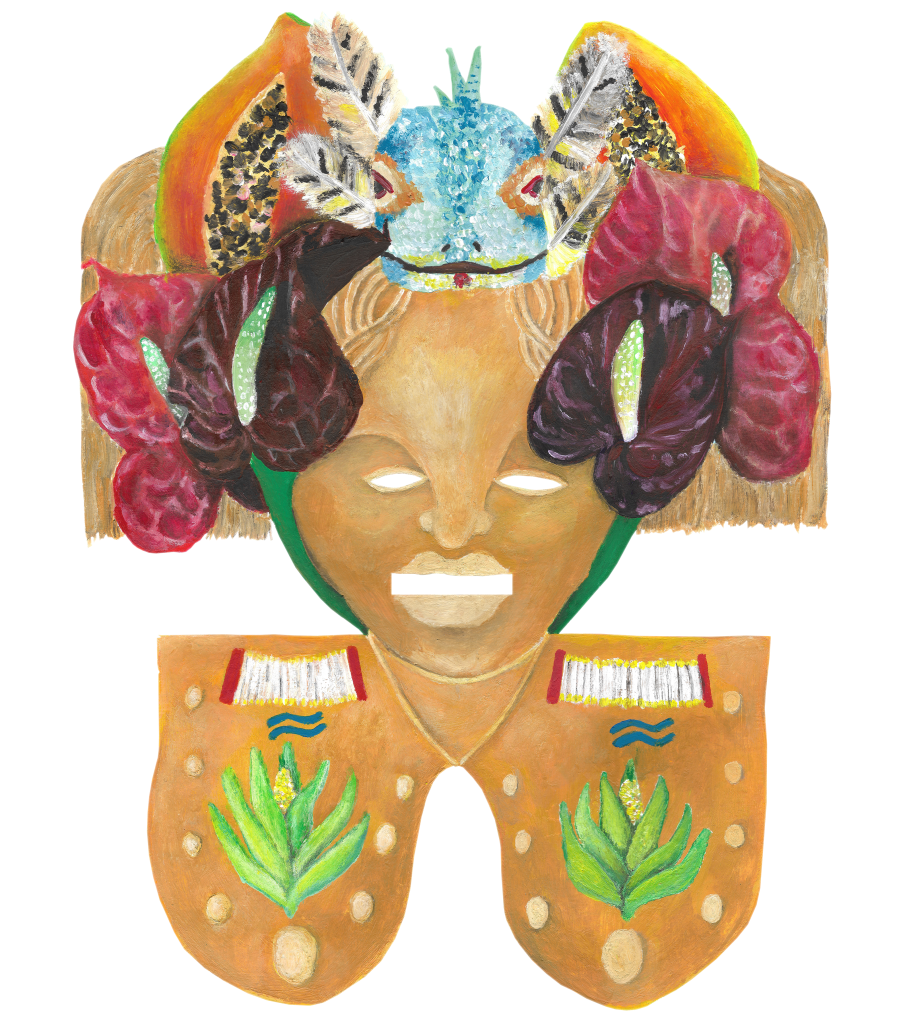
Thank you so much to Devin Osorio for making the painted logo for Huitaca Films! You can check more of his amazing artwork @ devinosorio.com
8/7/2020
NOW PLAYING
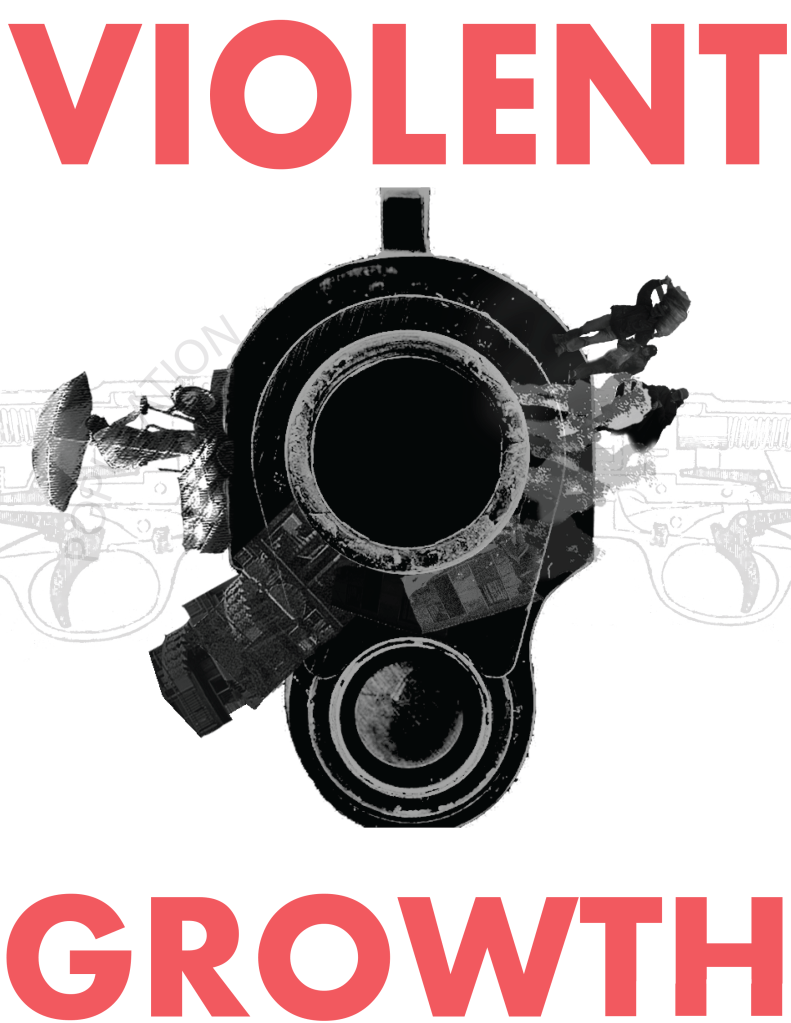
Check out the information that made Violent Growth possible:
Follow My Blog
Get new content delivered directly to your inbox.
 HUITACA FILMS